





By Bo Erickson
WASHINGTON (Reuters) -Around 300 students in Cleveland Heights, Ohio, may face changes to after-school tutoring and English-language proficiency instruction unless the district’s $860,000 federal grant is freed up by President Donald Trump’s administration in time for the new school year.
This funding is a part of more than $6 billion in school funds held up on July 1 for school programs nationwide, leaving superintendents including Cleveland Heights’ Elizabeth Kirby in a budget bind. “We have not received any information about whether or not this money is coming,” she said.
The lack of clarity follows a broader pattern in which the Trump administration has provided less detail on how it plans to spend taxpayer dollars, drawing criticism from some Republicans in Congress.
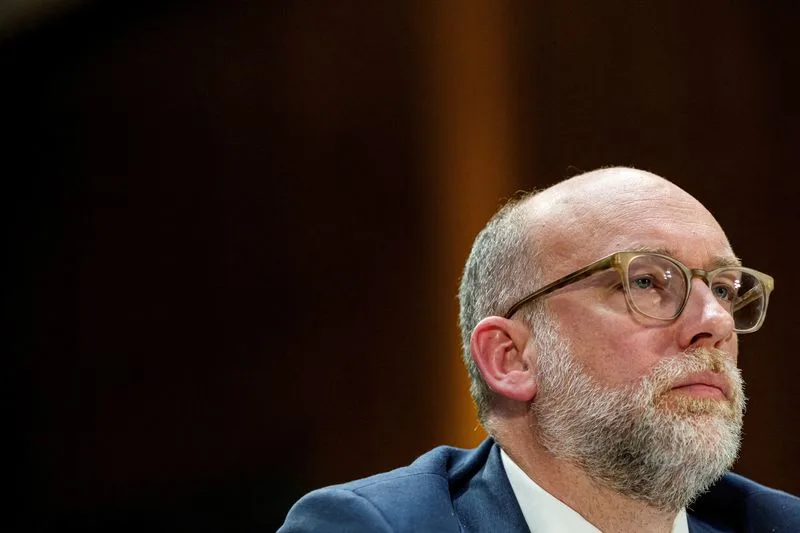
“Delayed budgets, missing details, and omitted spend plans make the federal budget less transparent and less accountable to the people and their elected representatives,” Republican Senator Susan Collins of Maine, who chairs the Senate Appropriations Committee told Russell Vought, director of the U.S. Office of Management and Budget, at a June 25 hearing.
The OMB and the White House did not respond to a request for comment. In previous statements, the OMB said the held-up education funds are a part of an “ongoing programmatic review” due to initial findings of grant programs being “grossly misused to subsidize a radical leftwing agenda.”
Budget experts say this unwillingness to share a broad range of spending details skirts funding law, complicates the budget process going forward, and breaks from precedent aimed at increasing spending transparency.
“At this point in the year, there has never been less reliable information available to either the public or Congress about actual agency spending than at any time since the modern budget process was established in 1974,” said David Taylor, a former leader of President George H.W. Bush’s White House budget office and chief budget aide to Senate Majority Leader Bob Dole, who now runs the research firm Federal Budget IQ.
The U.S. Constitution gave Congress the power of the federal purse to decide how to allocate taxpayer money for the executive branch to disburse throughout its agencies.
But since lawmakers passed a full-year stopgap funding bill in March — signed by Trump — they have been left with questions about where the money is going because a wide swath of federal agencies across the government either failed to share spending plans required by the stopgap bill, or sent incomplete data, according to U.S. lawmakers.
“This administration has — more than any other in my time in office — refused to share basic information with this committee,” said Democratic Senator Patty Murray, a 32-year veteran of the chamber and her party’s top appropriator.
This standoff on federal funding powers will be tested again this week as the Senate considers the administration’s $9 billion request to cancel foreign aid and public media, which could undo the funding passed on a bipartisan basis in March with a simple Republican majority.